A well-made silk shirt, a tailored blazer, or a cashmere sweater represents a real investment — and the difference between a garment that still looks sharp after five years and one that looks tired after five months usually comes down to how it's handled between wears, not just how often it's professionally cleaned. This guide covers what you can safely do at home to protect luxury clothing, and where it's worth stepping back and letting a professional handle it.
Why Luxury Fabrics Need Special Attention
Everyday cotton and polyester blends are engineered to be forgiving — they tolerate machine washing, tumble drying, and the occasional missed care instruction. Luxury fabrics like silk, cashmere, fine wool, linen blends, and anything with embellishment, embroidery, or structured tailoring are not built the same way. Fibres like silk and wool are protein-based, which means heat, harsh detergents, and agitation can weaken or permanently distort them in ways that aren't always visible until the damage is already done.
The goal of home care isn't to replace professional cleaning — it's to extend the time between cleans, protect the garment during storage and everyday handling, and catch small issues (a loose thread, a fresh stain, a crush mark) before they become bigger problems. Think of it as maintenance rather than cleaning: the work you do between visits to a professional determines how much work the professional actually has to do when the garment finally comes in, and how many more years of wear you get out of it.
This matters more in a climate like Delhi NCR's, where a hot, dusty summer gives way to a humid monsoon and then a cold, smog-heavy winter. Each season puts different stress on fabric — sweat and dust in summer, moisture and mildew risk during the monsoon, and dry static combined with heavier winter fabrics that spend months in storage. Adjusting home care slightly by season makes a real difference to how long luxury pieces last.
Reading the Care Label — What the Symbols Actually Mean
Every luxury garment's care label is effectively a manufacturer's warranty condition. Before you do anything else with a new piece, take thirty seconds to read it properly.
The Symbols Worth Knowing
- A circle means the garment is suitable for dry cleaning — the letter inside (P, F, or A) tells a professional cleaner which solvent is safe to use.
- A circle with an X through it means do not dry clean, under any circumstances.
- A tub symbol with a hand in it means hand wash only — no washing machine, ever.
- A triangle relates to bleach — a plain triangle means bleach is fine, one with diagonal lines means only non-chlorine bleach, and a crossed-out triangle means no bleach at all.
- An iron symbol with dots indicates the safe heat setting — one dot for low (silk, delicate synthetics), two for medium (wool, blended fabrics), three for high (cotton, linen).
If a label is missing, faded, or the garment was tailored without one (common with bespoke suits and sarees), treat it as a professional-clean-only item and ask your cleaner for guidance rather than guessing.
Everyday At-Home Care That Actually Makes a Difference
Storage: Give Fabric Room to Breathe
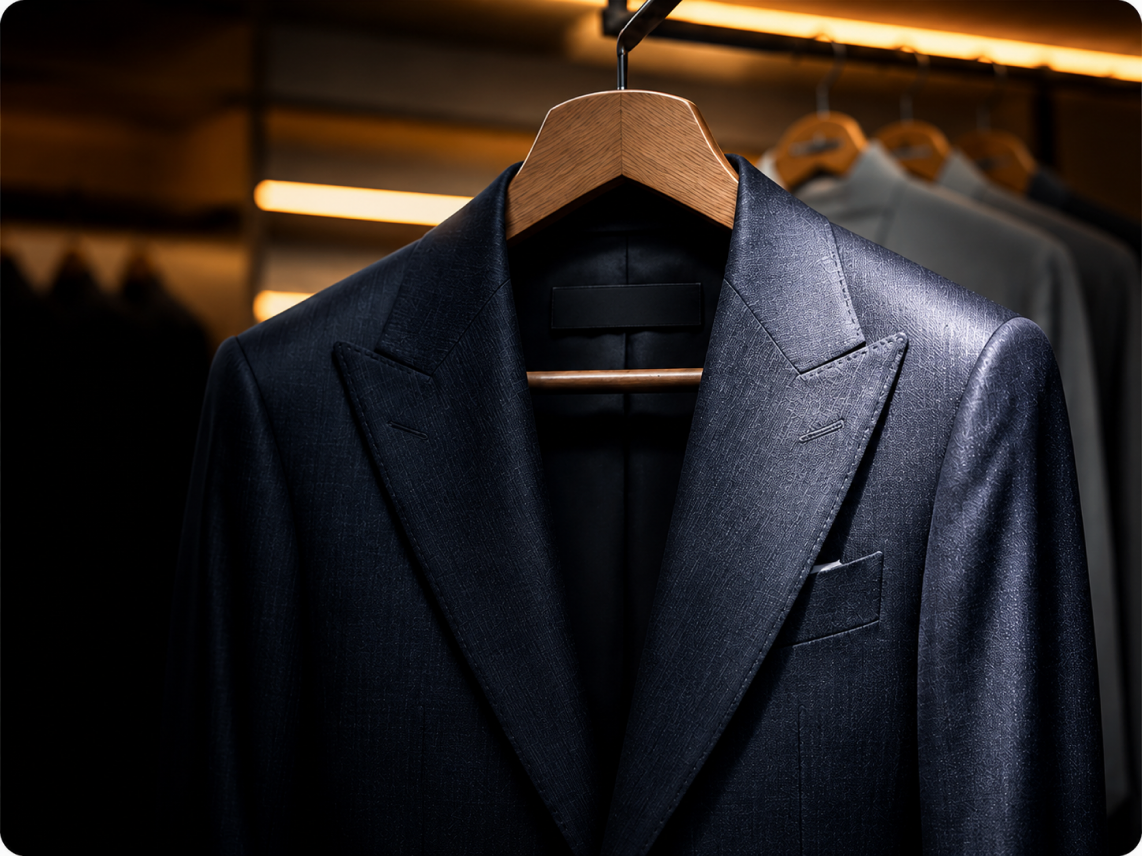
Cramming a wardrobe full of clothes is one of the most common causes of premature wear on luxury garments. Tightly packed hangers cause creasing that becomes permanent over time, and lack of airflow encourages musty odours and, in humid weather, mildew — a particular risk during monsoon months across Delhi NCR and Noida. Use padded or wooden hangers for jackets, blazers, and dresses (wire hangers distort shoulders), fold heavy knits like cashmere sweaters flat on a shelf instead of hanging them, and leave breathing space between garments.
Handle Stains Immediately — But Don't "Treat" Them Yourself
The single biggest factor in whether a stain comes out is how quickly it's addressed, not what product is used on it. If you spill something on a luxury piece:
- Blot — never rub — with a clean, dry, white cloth to lift excess liquid.
- Avoid water, club soda, or home remedies on silk, suede, or embellished fabric; these can spread the stain or react with dyes.
- Note what caused the stain (oil, wine, ink, makeup) so you can tell your cleaner — this changes the treatment approach significantly.
- Get the garment to a professional as soon as reasonably possible; a fresh stain is dramatically easier to remove than one that's had days to set.
Steaming vs. Ironing
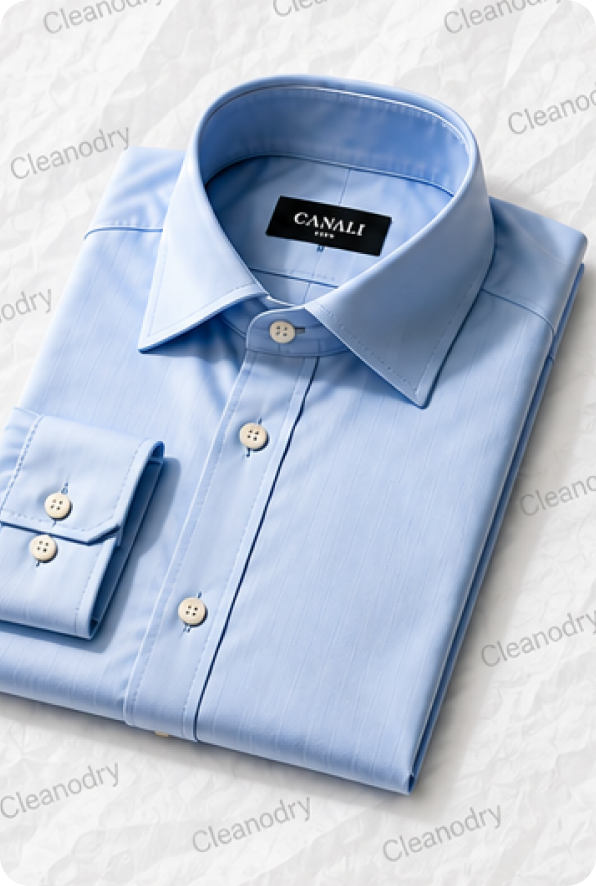
For most luxury fabrics, a garment steamer is the safer everyday tool. Steaming relaxes fibres and removes light creasing without direct heat contact, which matters enormously for silk, embellished pieces, and anything with structure (blazer lapels, saree pleats). Reserve ironing for fabrics rated for it on the care label, always with the heat setting matched to the fabric, and use a pressing cloth between the iron plate and delicate surfaces.
Rotate What You Wear
Wearing the same suit or saree two days in a row doesn't just look repetitive — it doesn't give the fabric time to recover. Fibres need rest between wears to release moisture and regain their shape. A simple rotation (letting each piece rest at least a day or two before the next wear) noticeably extends the life of tailored and delicate garments.
Give Winter Wear a Proper Off-Season Rest
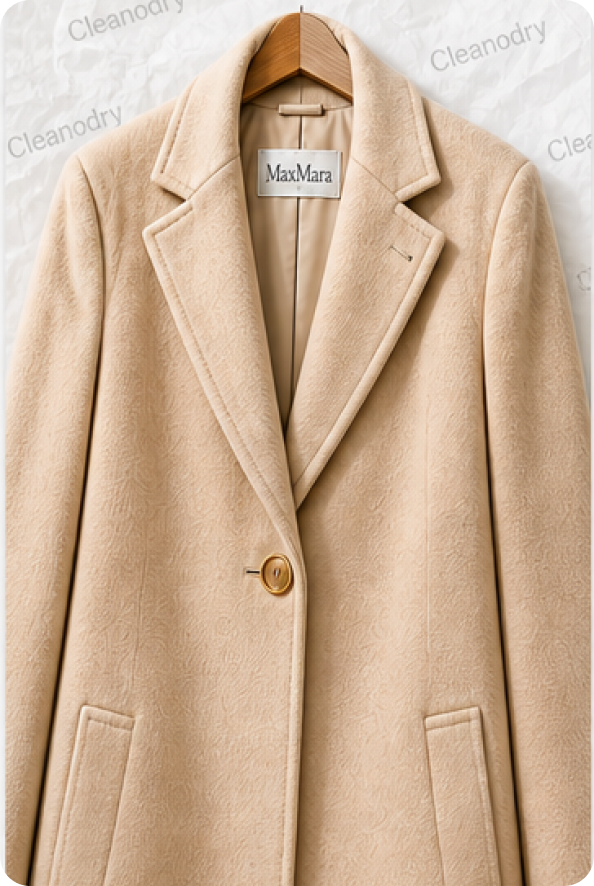
Coats, shawls, and heavy knits spend a large part of the year in storage in most Delhi NCR wardrobes, which means how they're packed away matters as much as how they're worn. Always store winter pieces fully clean and completely dry — any residual body oil or moisture left in fabric over several months of storage is what attracts moths and other pests, and is also what causes the musty smell that's so difficult to remove once it sets in. A breathable garment bag, a cool dry shelf away from direct sunlight, and a light cedar sachet (rather than mothballs, which can leave an odour of their own) is usually enough.
Protect Against Delhi's Dust and Pollution
Airborne dust and pollution are a bigger factor in fabric wear here than in many other climates — fine particulate settles into fibres even during short periods outdoors, and combined with humidity it can dull colour and texture faster than expected. A quick brush-down with a soft garment brush after wearing tailored pieces outdoors, before hanging them up, removes surface particulate before it works its way into the weave.
What Not to Do at Home
- Don't machine wash anything labelled dry-clean-only — even on a delicate cycle, agitation and water can shrink wool, bleed dye, and destroy structured tailoring.
- Don't use a hairdryer or direct heat to "fix" a damp garment — this can set stains and shrink natural fibres.
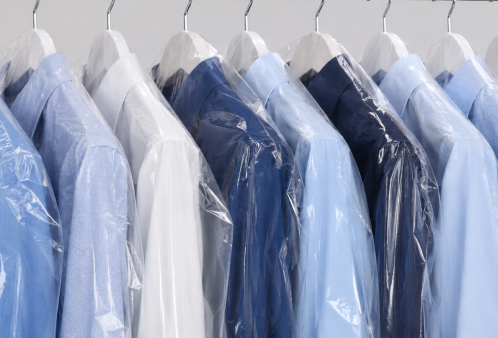
- Don't store luxury garments in plastic dry-cleaning bags long-term — plastic traps moisture and can yellow fabric over time; use breathable garment bags instead.
- Don't ignore small repairs — a loose button or small tear left unattended tends to get worse with each wear.
When to Call In the Professionals
Home care buys time between cleans, but it isn't a substitute for expert handling. Bring a garment to a professional when: a stain hasn't lifted with gentle blotting, the fabric feels stiff or has lost its drape, there's visible discolouration or a musty smell after storage, or the garment is due for its scheduled clean based on how often it's worn (our guide to dry cleaning frequency for suits, sarees, and winter wear covers this in detail).
Cleanodry's Premium Dry Cleaning, Darning, and fabric-safe care processes are built specifically around delicate and luxury materials, using eco-friendly, biodegradable solutions that protect both the garment and the person wearing it. Since we offer free pickup and delivery across Delhi NCR, Noida, Gurugram, and Ghaziabad, luxury pieces can go straight from your wardrobe to our care without extra handling in between.
The Bottom Line
Caring for luxury clothing at home isn't about elaborate routines — it's a handful of small, consistent habits: read the label, store properly, handle stains gently and quickly, steam instead of iron where possible, and don't skip professional cleaning when it's due. Get those right, and your favourite pieces will keep looking the way they did on day one for years longer.