"Should I wash this or get it dry cleaned?" is one of the most common questions people have about laundry — and getting it wrong is one of the easiest ways to permanently damage a good garment. The honest answer is that neither method is universally "better"; each is built for different fibres, constructions, and finishes. Here's how to actually decide.
How Dry Cleaning Actually Works
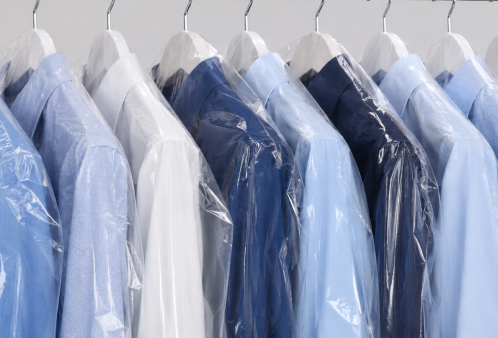
Despite the name, dry cleaning isn't literally dry — it uses a liquid solvent instead of water to lift dirt, oils, and stains from fabric. Because there's no water involved, there's no swelling of fibres, no risk of shrinkage from heat and moisture, and no agitation-related wear. This makes it the safer choice for fabrics that lose shape, shrink, or bleed dye when wet, and for garments with structured construction — linings, shoulder pads, interfacing — that a washing machine would flatten or distort. After cleaning, professional pressing restores crisp lines and removes wrinkles in a way that's difficult to replicate at home.
How Washing Actually Works
Machine or hand washing uses water, detergent, and mechanical action (agitation, spinning) to remove dirt. It's effective, fast, and inexpensive — which is exactly why it's the default for everyday fabrics like cotton, most synthetics, and casual wear that's designed to tolerate repeated washing. The tradeoff is that water and agitation are exactly the two things that damage delicate fibres, structured garments, and certain dyes.
Water also interacts with fabric at a chemical level, not just a mechanical one. Natural fibres like wool and silk absorb moisture into the fibre itself, causing it to swell; as it dries, the fibre contracts again, and repeated cycles of swelling and contracting are what gradually cause shrinkage and loss of shape. Synthetic fabrics don't have this problem to the same degree, which is part of why blended and synthetic casual wear tends to survive machine washing far better than natural, structured, or dyed fabric.
Why the Wrong Choice Is So Easy to Make
Care labels help, but they don't always tell the whole story — a "hand wash" label on a delicate silk blend, for instance, technically permits washing but doesn't guarantee a good outcome if the water temperature, detergent, or handling isn't exactly right. Many of the garments that get damaged at home aren't mislabelled; they're washed correctly by the label but still lose shape or colour because home washing simply doesn't offer the same control over temperature, agitation, and drying that professional equipment does. This is especially true for tailored garments, where even a small amount of shrinkage in the lining relative to the outer shell is enough to visibly distort the fit.
Fabric-by-Fabric: Which One Should You Actually Use?
Wool and Cashmere
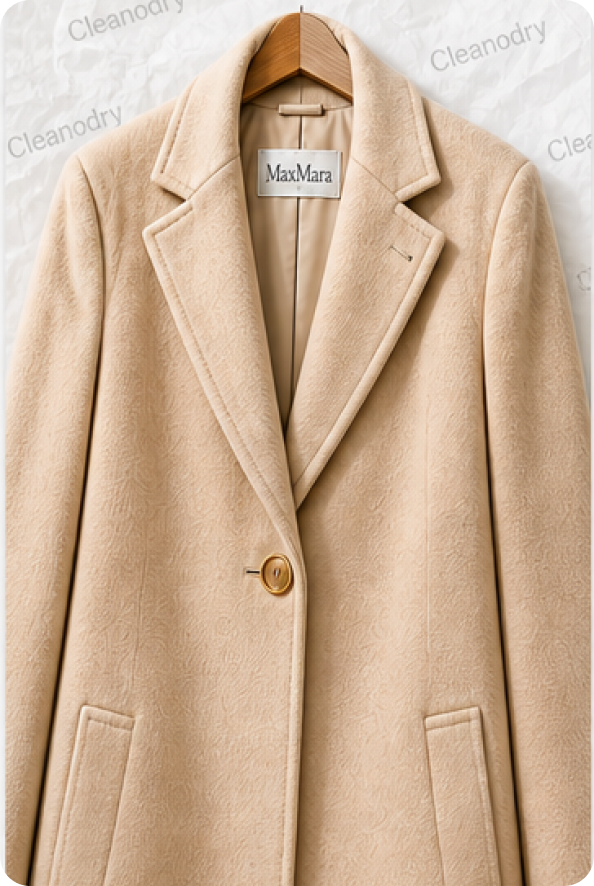
Wool fibres have a scaled surface that locks together permanently when exposed to heat, moisture, and agitation at the same time — this is what causes shrinking and felting. Dry cleaning avoids this entirely, which is why most wool coats, blazers, and cashmere knitwear are labelled dry-clean-only. A gentle hand wash in cold water can work for some finer knitwear if the label explicitly allows it, but when in doubt, dry cleaning is the safer default.
Silk
Silk is strong when dry but significantly weaker when wet, and many silk dyes aren't colourfast in water. Dry cleaning is almost always the right call for silk sarees, shirts, and dresses — especially anything with zari work, embroidery, or embellishment, where water can also damage metallic threads and beading.
Suits and Structured Wear
A suit jacket isn't really one piece of fabric — it's an outer shell, a lining, and internal structure (canvassing, shoulder pads, interfacing) held together with adhesives and stitching that don't respond well to water and heat. Washing a suit, even carefully, risks the lining shrinking at a different rate than the shell, causing puckering that can't be fixed. This is squarely dry-cleaning territory.
Cotton and Everyday Wear
Cotton is one of the more forgiving fabrics — it tolerates washing well, which is exactly why casual shirts, everyday trousers, and most daily-wear items are designed to be machine washed. Dry cleaning isn't necessary here and would be an unnecessary expense; a regular wash (following the care label's temperature guidance) is the right choice.
Delicate and Embellished Pieces
Sequins, beadwork, delicate lace, and anything hand-embroidered should almost always go to a professional cleaner rather than a washing machine. Embellishments can catch, tear, or come loose during agitation, and the backing fabric they're attached to is often more delicate than it looks.
Sarees With Heavy Embellishment
Bridal and heavily embellished sarees deserve a special mention because they combine several risk factors at once: delicate base fabric (often silk or georgette), metallic zari thread that can tarnish or unravel with moisture, and hand-stitched embellishment that isn't designed to withstand agitation of any kind. These pieces should go to a professional cleaner experienced with embellished fabric, not just any dry cleaner — ask specifically about their process for zari and beadwork before handing over a valuable piece.
Cost, Convenience, and the Real Comparison
Washing at home is cheaper and faster for fabrics built to handle it — there's no reason to dry clean a plain cotton t-shirt. But for anything structured, delicate, or dyed in a way that isn't guaranteed colourfast, the cost of dry cleaning is small compared to the cost of replacing a damaged garment. The real comparison isn't "which is cheaper per wash" — it's "which method won't damage this specific item."
This is also where convenience matters: professional cleaning takes the guesswork (and the risk) out of the decision entirely. With free pickup and delivery built into the process, there's very little practical downside to defaulting to professional care for anything you're unsure about.
Common Myths, Cleared Up
"Dry Cleaning Uses Harsh Chemicals That Damage Fabric"
Modern professional dry cleaning solvents are formulated specifically to be gentle on fabric and dye — that's the entire point of the process. Reputable cleaners also increasingly use eco-friendly, biodegradable solutions that are safer for both the garment and the person wearing it, without sacrificing cleaning effectiveness.
"If a Garment Isn't Visibly Dirty, It Doesn't Need Cleaning"
Body oils, sweat, and odour build up in fabric well before anything is visible to the eye, especially on structured garments like suits that are worn over an undershirt. Waiting for visible dirt often means the garment has already accumulated more residue than it should have.
"Washing at Home Is Always Cheaper"
It's cheaper per wash, but not necessarily cheaper over the life of the garment. A luxury piece damaged by an incorrect home wash is a total loss, whereas the modest cost of professional cleaning, spread across years of continued use, is almost always the better value.
A Simple Rule of Thumb
If a garment is structured (has lining, padding, or internal shape), made from silk or wool, embellished, or a colour you can't afford to risk fading — dry clean it. If it's a simple, everyday fabric like cotton, and the label confirms it's washable, a regular wash is fine and more economical. When the care label is missing or you're genuinely unsure, treat the garment as dry-clean-only; it's the safer default.
Let the Experts Decide, If You'd Rather Not Guess
Cleanodry's team sorts and treats every item based on fabric type and condition, using our Premium Dry Cleaning and Steam Iron services, so you don't have to make this call yourself for every garment. Check our Packages and pricing to see the plan that fits your wardrobe, or read our guide on how often you actually need to dry clean suits, sarees, and winter wear next.