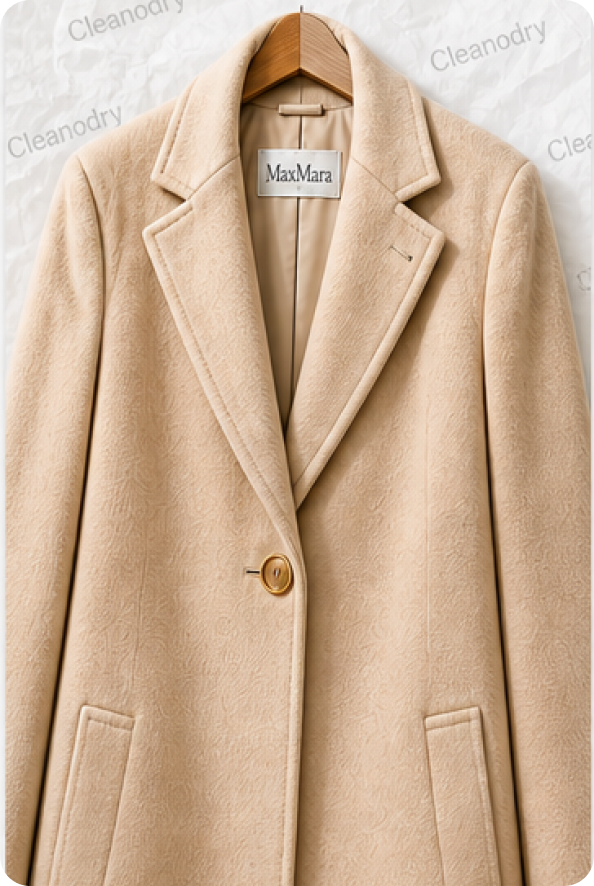
One of the most common questions we hear is some version of "am I cleaning this too often, or not often enough?" — and the honest answer is that it depends heavily on the fabric, how often the piece is worn, and how it's stored in between. Over-cleaning can be just as hard on a garment as under-cleaning. Here's a practical breakdown by category.
Why Frequency Actually Matters
Under-cleaning lets body oils, sweat, and odour build up in fabric, which over time can weaken fibres, attract pests during storage, and set stains that become much harder to remove the longer they sit. Over-cleaning, on the other hand, subjects fabric to repeated mechanical and chemical action it doesn't need, which can gradually dull colour, soften structured tailoring, and shorten the garment's usable life. The goal is finding the right frequency for each type of garment — not maximising or minimising cleaning across the board.
The right frequency also depends heavily on how a garment is worn, not just how often. A suit worn for a full workday of meetings, travel, and meals accumulates far more residue than the same suit worn briefly for a photo and taken off — even if both count as "one wear." Being honest with yourself about how a piece was actually used, rather than going by a fixed number, tends to give a better answer than any general rule alone.
Seasonal timing matters just as much as frequency. In Delhi NCR's climate, humidity during the monsoon and heavy dust through the rest of the year both accelerate the build-up that eventually calls for a clean — which is part of why an end-of-season clean, done right before a garment goes into storage, is often more important than any mid-season schedule.
Suits and Blazers
Everyday Business Wear
A suit worn several times a week for work should typically be professionally cleaned every 8–12 wears, or roughly once every two to three weeks with regular use — sooner if there's visible staining, odour, or the fabric starts to feel less crisp. Rotating between two or three suits rather than wearing the same one daily meaningfully reduces how often each individual piece needs cleaning, since fibres get time to rest between wears.
Special Occasion Suits
A suit worn only occasionally (weddings, formal events) generally only needs cleaning after every 2–3 wears, or at minimum once a year even with light use, since body oils and environmental exposure still accumulate slowly even without frequent wear. Clean it before long-term storage, not just before the next event — storing a soiled garment for months makes stains and odour significantly harder to treat later.
Sarees
Silk and Zari Work Sarees
Silk and heavily embellished zari-work sarees should be dry cleaned sparingly — generally once per wear if worn to an event with food, incense, or heavy perfume exposure, but not necessarily after every single wear if worn briefly and stored carefully. Excess cleaning of delicate embroidery and metallic threadwork can loosen embellishment over time, so spot-checking for actual soiling before sending it for a full clean is worthwhile.
Everyday Cotton and Georgette Sarees
More casual, everyday sarees in cotton or georgette tolerate cleaning more frequently and should generally be cleaned after every few wears, similar to other daily-wear fabric, since they're worn closer to skin more regularly and don't carry the same risk to delicate embellishment.
Winter Wear
Wool Coats and Jackets
A winter coat worn regularly through the season typically needs only one to two professional cleans per winter — once mid-season if worn very frequently, and always before storing it away for spring and summer. Cleaning before storage is the step people skip most often, and it's the one that matters most: body oils and odour left in fabric over months of storage are what attract moths and other pests, and set-in odour is far harder to remove after a long storage period than before it.
Sweaters and Knitwear
Knitwear worn over other layers (so it doesn't contact skin directly) can often go a full season between cleans if it's aired out and stored properly between wears. Knitwear worn directly against skin should be cleaned more like everyday clothing — every few wears.
Shawls and Pashminas
Delicate shawls and pashminas are worn lightly and infrequently for most people, so an end-of-season clean before storage is usually sufficient, along with careful folding (not hanging, which can stretch the fabric) during the off-season.
Reading the Signs Instead of Just Counting Wears
Wear-count guidelines are a useful starting point, but a garment itself usually tells you when it's due, if you know what to look for. A slightly flattened texture on wool, a faint but persistent smell even after airing out, visible shine on suit fabric near the elbows or seat, or a saree that's starting to feel stiff rather than fluid are all signs that cleaning is due regardless of how many times it's technically been worn. Checking for these signs before an event, rather than assuming a piece is "probably fine," avoids the common mistake of only noticing a problem once you're already dressed and ready to leave.
A Simple Frequency Cheat Sheet
- Daily-wear business suits: every 8–12 wears, or roughly every 2–3 weeks.
- Occasion-only suits: after every 2–3 wears, and always before long-term storage.
- Silk / zari-work sarees: after events with heavy exposure (food, incense, perfume); otherwise sparingly, checking for actual soiling first.
- Everyday cotton/georgette sarees: every few wears, similar to daily clothing.
- Winter coats and jackets: once or twice per season, always before storage.
- Sweaters worn over layers: can often go a full season if aired and stored properly.
- Shawls and pashminas: a single end-of-season clean is usually enough.
What Happens If You Get the Frequency Wrong
Under-cleaning tends to show up first as odour and a slightly stiff or "tired" feel to the fabric, followed eventually by visible staining that's harder to remove because it's had time to set. In wool and other natural fibres, prolonged residue from body oils can also attract moths and carpet beetles during storage, which is one of the more common ways a good winter coat gets irreversibly damaged between seasons.
Over-cleaning, by contrast, is more subtle — it doesn't cause sudden damage, but repeated cleaning cycles gradually soften structured tailoring (the canvassing and interfacing inside a suit jacket, for instance) and can very slowly dull colour on natural dyes. Neither outcome is dramatic on its own, which is exactly why frequency is easy to get wrong in either direction without noticing for a long time.
Getting the Timing Right, Without the Guesswork
If you're not sure whether a specific piece is due, a good rule of thumb is: if you can smell it, see a mark on it, or it's about to go into storage for a season, it's time. Cleanodry's Premium Dry Cleaning, Winter Wear Care, and Darning services are built to handle exactly this kind of seasonal and occasion-based cleaning, and our free pickup and delivery makes it easy to send suits, sarees, and winter wear in for a clean right before they go back into the wardrobe or into storage. For more on choosing the right cleaning method in the first place, see our guide on dry cleaning vs. washing.